Metal Roof vs. Shingles: Cost, Lifespan & Which to Choose
Updated October 3, 2026 · Editorial policy
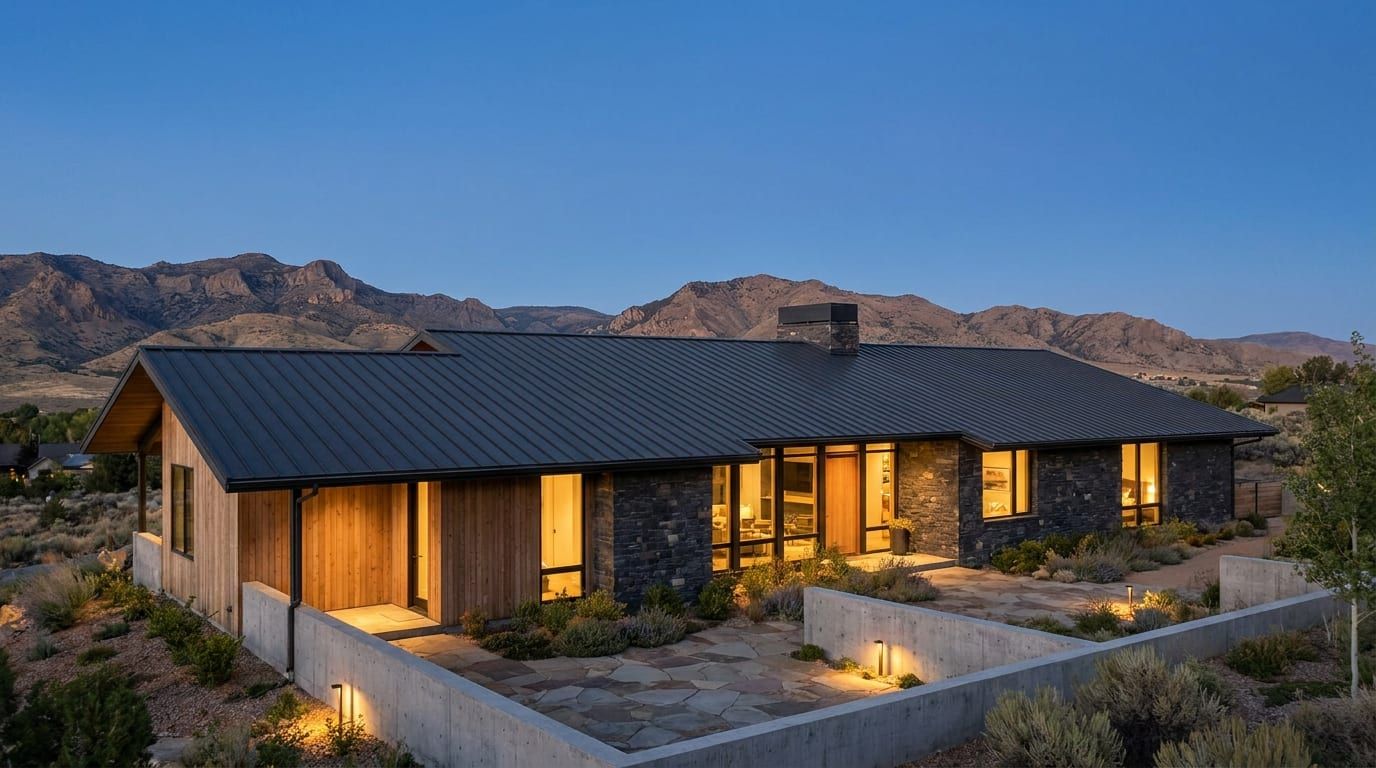
Asphalt shingles are cheaper to install; a metal roof costs roughly twice as much up front, sometimes more, but can last two to three times as long. On a 2,000 square foot roof, expect about $6,000–$16,000 for asphalt shingles and $14,000–$36,000 for metal, installed, before removing the old roof. Shingles are usually the better buy if you plan to move within about 10 years or need the lowest price today. Metal usually wins if you’re staying for decades, or you live where wind, wildfire or heavy snow are real risks. Here’s the full comparison.
Metal roof vs. shingles at a glance
| Factor | Asphalt shingles | Metal roof |
|---|---|---|
| Installed cost per sq ft | About $3–$8 | About $7–$18 |
| Cost on 2,000 sq ft of roof | $6,000–$16,000 | $14,000–$36,000 |
| Lifespan | 15–30 years | 40–70 years |
| Wind and storms | Good with proper nailing | Excellent uplift resistance |
| Hail | Can bruise or tear | Can dent, rarely leaks |
| Fire | Rated products available | Non-combustible |
| Upkeep | Replace damaged shingles | Check fasteners and seams |
Cost on a 1,000 and 2,000 sq ft roof
Roofers price by roof area, measured in “squares” of 100 square feet. Your roof is usually larger than your home’s floor area because of pitch and overhangs, so a 2,000 square foot house often has more than 2,000 square feet of roof.
| Roof area | Asphalt shingles | Metal roof |
|---|---|---|
| 1,000 sq ft (10 squares) | $3,000–$8,000 | $7,000–$18,000 |
| 2,000 sq ft (20 squares) | $6,000–$16,000 | $14,000–$36,000 |
Ranges are installed prices before the old roof comes off, based on published 2026 industry cost data and typical contractor pricing. Tearing off one layer of shingles adds roughly $1–$3 per square foot. For metal, exposed-fastener steel panels run about $7–$12 per square foot installed and standing-seam systems about $10–$18. Architectural shingles cost more than 3-tab but last longer. For the full breakdowns, see our guides to metal roof cost and asphalt shingle roof cost.
Cost over the life of the roof
Up-front price isn’t the whole story. An architectural shingle roof lasts about 25–30 years, so over 50 years you’d likely pay for two of them. A metal roof can last 40–70 years, so you’d likely pay once. On a 2,000 square foot roof, two architectural shingle roofs at today’s prices total roughly $16,000–$32,000, against $14,000–$36,000 for one metal roof. That math only pays off if you stay in the house long enough to see the second shingle replacement.
Lifespan
| Material | Typical lifespan |
|---|---|
| 3-tab asphalt shingles | 15–20 years |
| Architectural shingles | 25–30 years |
| Metal roof | 40–70 years |
Lifespan depends on installation quality, ventilation and climate as much as the material. A metal roof installed with poor flashing can leak in year two, and a well-ventilated shingle roof can reach the top of its range.
Durability and climate
- Wind and storms: Metal panels resist uplift well and are a strong choice in hurricane and high-wind regions.
- Fire: Metal is non-combustible, a real advantage in wildfire areas.
- Snow: Metal sheds snow, which reduces load and ice dams. Snow can slide off in sheets, so ask about snow guards over doors and walkways.
- Hail: Shingles can be bruised or torn. Metal can dent but rarely fails. In hail country, Class 4 impact-rated versions of either material hold up best.
Insurance and metal roofs
Insurers price risk by how a roof is built and rated, not by the word “metal.” According to the Insurance Institute for Business & Home Safety (IBHS), as much as 90% of catastrophe-related insurance claims include roof damage, which is why roof upgrades can matter to your premium. Homes with an IBHS FORTIFIED designation, which can use shingles, metal or tile, sometimes get a discount on the wind portion of their premium, and some insurers credit impact-rated roofing.
Before you choose, ask your insurer two questions: is there a discount for an impact-rated or FORTIFIED roof, and does your policy pay for hail dents on metal that don’t cause leaks? Get both answers in writing.
Home value
There’s no reliable national figure showing that a metal roof adds a set amount to a home’s sale price. What buyers, inspectors and insurers notice most is a roof’s age and condition, so a newer roof of either type helps a sale. A metal roof can be a selling point in storm or wildfire areas. In a neighborhood of shingle homes, some buyers may prefer a metal-shingle or stone-coated style that blends in. A metal roof doesn’t devalue a house, but don’t count on getting the full extra cost back if you sell soon.
Noise
Rain on a metal roof isn’t the “tin roof” drumming people imagine. Residential metal roofs go over solid decking and underlayment, and the Metal Roofing Alliance, an industry group, says there’s little difference between metal and other materials when it comes to noise from rain or hail. You may hear some ticking as panels expand and contract with temperature changes.
Energy efficiency
Light-colored or reflective “cool” roofs, including coated metal and cool-rated shingles, reflect more sunlight. The EPA says a cool roof can cut peak cooling demand in air-conditioned homes by 11–27%. The benefit is biggest in hot, sunny climates. In cold climates you may lose a little winter heat gain, which the EPA notes is usually offset by summer savings.
The biggest problems with metal roofs
Metal has real downsides. These are the ones homeowners run into most:
- Up-front cost. It’s the main reason more people don’t choose metal.
- Dents. Large hail can dent panels. The roof still works, but it can look worse, and coverage for cosmetic dents varies.
- Oil canning. Flat panels can show visible waviness. It’s cosmetic, but it bothers some owners.
- Exposed fasteners. On screw-down panels, the screws and rubber washers need checking over the years. Standing-seam systems hide the fasteners and avoid this.
- Installer skill. Fewer roofers specialize in metal, and leaks almost always trace back to flashing and trim details. Hire someone with metal experience, not just a shingle crew.
- Repairs and matching. Replacing a damaged panel years later can mean a visible color difference.
Which should you choose? Go by climate
| Where you live | Usually the better pick | Why |
|---|---|---|
| Hurricane or high-wind coast | Metal, or either material installed to FORTIFIED standards | Uplift resistance and possible wind premium credits |
| Hail-prone area | Class 4 impact-rated shingles or metal | Compare the insurance terms for each before you decide |
| Wildfire area | Metal | Non-combustible surface |
| Heavy snow | Metal with snow guards | Sheds snow and reduces ice dams |
| Hot, sunny climate | Light-colored metal or cool-rated shingles | Reflects heat and lowers cooling demand |
| Mild climate, or moving within 10 years | Architectural shingles | Lowest up-front cost |
Choose asphalt shingles if you want the lowest price today, plan to sell within about 10 years, or want the widest choice of colors and styles on a budget.
Choose a metal roof if you’re staying long-term, live with wind, wildfire or snow risk, and want to avoid paying for another roof later.
Quick answers
Is it cheaper to put on a metal roof or shingles? Shingles are cheaper to install. Over 40 to 50 years, exposed-fastener steel can cost less than two shingle roofs because you may avoid a second replacement; standing seam usually still costs somewhat more at today’s prices.
How much is a metal roof on a 1,000 sq ft roof? About $7,000–$18,000 installed, depending on the panel type and your area.
How much does a metal roof cost for a 2,000 sq ft house? About $14,000–$36,000 for 2,000 square feet of roof. Measure the roof, not the floor plan, because the roof is usually larger.
Does homeowners insurance go down with a metal roof? Sometimes. Discounts usually depend on impact rating, wind resistance or a FORTIFIED designation rather than the material alone. Ask your insurer.
Why don’t more people use metal roofs? Mainly the up-front cost, plus looks in some neighborhoods and fewer experienced installers.
Compare real quotes
The best way to decide is to price both for your roof. Use our roof cost calculator for a ballpark, read more about metal roofing and roof replacement costs, then get matched with local roofers who install both metal and shingle systems. Free quotes, no obligation.