Emergency roof repair and tarping
Emergency roof repair starts with stopping the water: a roofer tarps or seals the damaged area, often for $300 to $1,500, then quotes the permanent fix once it’s safe. If water is coming through a ceiling, move your belongings, catch the drips, and get matched now with up to 4 local roofers who handle urgent leaks.
- Fast response. Get connected with roofers who prioritize active leaks.
- Emergency tarping. Stop water intrusion before it spreads.
- Talk to a pro now. Describe your emergency and get matched right away.
Get free emergency roof repair quotes
Compare up to 4 independent local roofers. Takes 2 minutes.
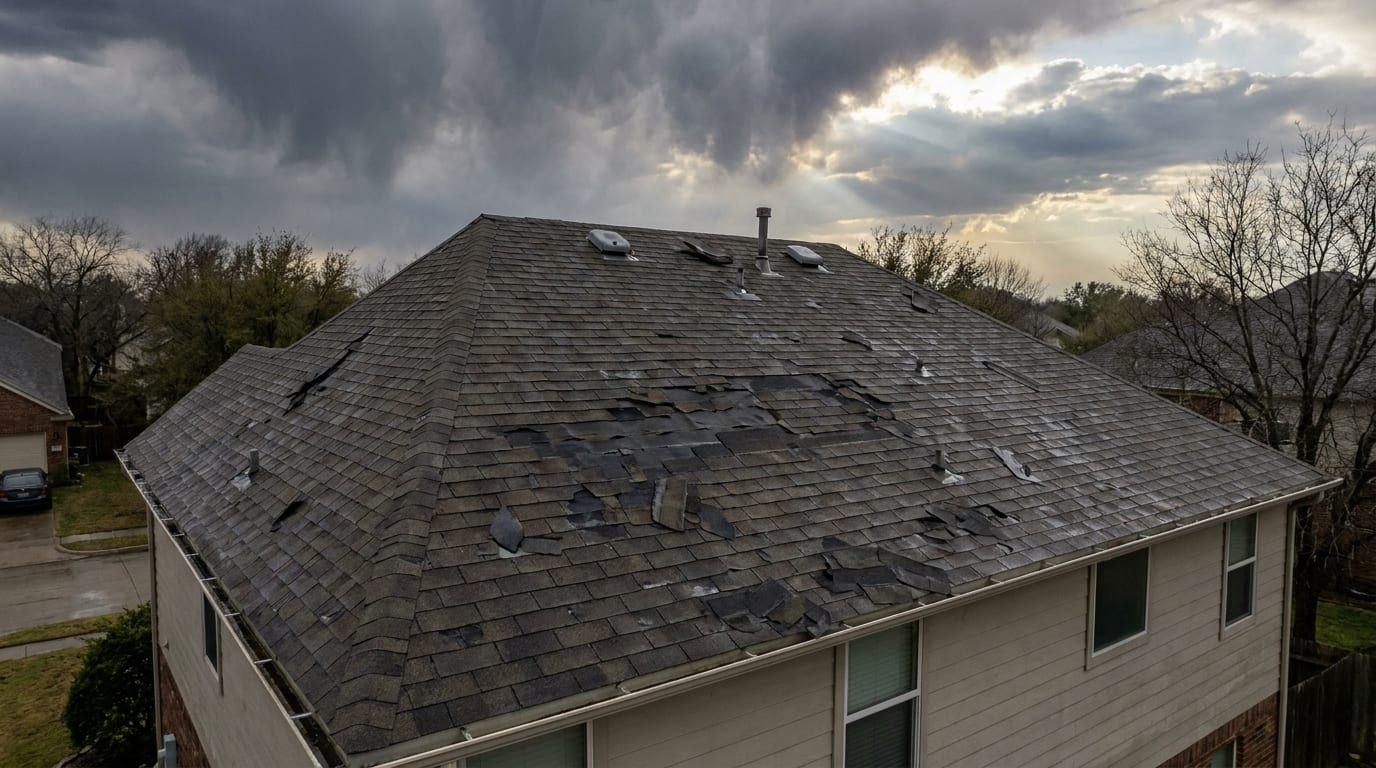
A sudden roof leak or storm breach can’t wait. Water spreads fast, ruining drywall, insulation, and belongings within hours. Roof Restore Buddy matches you with roofers near you who prioritize emergencies, can tarp your roof to stop the leak, and quote a permanent repair.
Tell us it’s urgent and we’ll connect you with pros who respond quickly in your area.
What to do during a roof emergency
Your first job is limiting water damage inside; the second is getting the roof covered. During a roof emergency:
- Move valuables and electronics away from the leak
- Contain dripping water with buckets and towels
- If water is near light fixtures or outlets, switch off power to that area at the breaker
- Photograph the damage inside, and outside from the ground, before anything is repaired
- Stay off a wet or storm-damaged roof yourself
- Get a pro matched immediately for tarping and repair
Then start drying. The EPA advises drying water-damaged areas within 24 to 48 hours to prevent mold growth, so run fans or a dehumidifier and pull up soaked rugs.
What does emergency roof repair include?
An emergency call is about making the roof watertight now and fixing it properly later. It usually runs in this order:
- A quick assessment to find where water is getting in, often from the attic as well as the roof
- A temporary fix: a tarp over the damaged area, or a patch over a small hole or lifted shingles
- Photos of the damage and the temporary work, which you will want for an insurance claim
- A written quote for the permanent repair, or for a replacement if the damage is widespread
- The permanent repair once the roof is dry and, if you are claiming, the adjuster has seen the damage
Ask the roofer to price the temporary work and the permanent repair separately, so you can compare the permanent quote with others before you commit.
For commercial or flat roofs, see commercial roof repair.
Emergency roof tarping
Emergency roof tarping usually costs $300 to $1,500 for a typical home, depending on the size of the damaged area, the roof’s height and pitch, and whether the crew comes out after hours. Most of that is labor and safety equipment rather than the tarp itself. A properly installed tarp is fastened over the damaged area and secured beyond it so wind can’t get underneath.
A tarp is a stopgap, not a repair. Sun and wind break down tarp material and work fasteners loose, so check it after every storm and book the permanent repair as soon as your insurer has seen the damage.
Does insurance pay for tarping? Insurers expect you to protect your home from further damage with temporary repairs such as a tarp, and Texas’s insurance regulator tells homeowners to keep receipts for repair materials and avoid permanent repairs until the adjuster has seen the damage. When the damage itself is covered, the reasonable cost of that temporary protection is normally submitted as part of the claim; when the leak comes from age or wear, it generally isn’t covered. After some major disasters, the U.S. Army Corps of Engineers’ Blue Roof program, when active, also provides temporary roof covering.
Can a roof be repaired in a day?
Usually, yes. Most small repairs, such as replacing a few shingles, a pipe boot or a section of flashing, take a few hours once the roofer has materials on hand, and many roofers can tarp an active leak the same or next day, depending on demand after a storm. Bigger jobs take longer: rebuilding a valley or replacing rotted decking can take a day or two, and a full roof replacement on an average home usually takes one to three days. Permanent shingle and sealant repairs also need a dry roof, so rain can push the finish date back.
Will insurance pay if my roof is leaking?
It depends on why it is leaking. Homeowners policies typically cover leaks caused by sudden damage, such as wind tearing off shingles, hail, or a fallen tree, minus your deductible. They typically don’t cover leaks from wear and tear, age, or a slow, continuous leak that was left alone.
To protect a claim, report it promptly, photograph the damage before repairs, make only temporary repairs, and keep receipts. Our roof insurance claim tips explain what adjusters look for, and storm damage roof repair covers wind and hail claims in more detail. Once the leak is stopped, the roof repair cost guide shows what the permanent fix typically costs. If it isn’t covered, affordable roofing and roof replacement assistance cover lower-cost options and programs.
How Roof Restore Buddy works
Three steps to compare local roofers, with no pressure and no cost to you.
- 1
Tell us about your roof
Answer a few quick questions about your project and ZIP code. Takes under 2 minutes.
- 2
Get matched with local pros
We share your request with up to 4 independent roofing contractors who serve your area.
- 3
Compare free quotes
Compare quotes and reviews side by side, then choose the roofer that’s right for you. No obligation.
Emergency Roof Repair, frequently asked questions
Is a roof leak an emergency?
Treat it as one if water is actively coming inside, a ceiling is sagging, water is near electrical fixtures, or a storm has opened the roof. The EPA advises drying wet materials within 24 to 48 hours to prevent mold, so get the roof covered fast. A small stain that appears only in heavy rain can usually wait for a scheduled roof repair.
How much does emergency roof repair cost?
Emergency tarping typically runs $300–$1,500 depending on roof size, access, and timing, with the permanent repair quoted separately; most permanent repairs fall in the typical $400–$1,800 range. The faster you stop the leak, the lower your overall repair and water-damage costs.
How fast can someone fix an emergency roof leak?
Many local roofers offer same-day or next-day emergency response for active leaks, starting with a tarp to stop water intrusion and following up with a permanent repair once conditions allow.
Can you fix a leaking roof while it’s raining?
Only temporarily. A roofer can tarp or patch the damaged area in wet weather if it is safe to get on the roof, but shingles, sealants and flashing need a dry surface to bond, so the permanent repair waits for dry weather. Never climb a wet roof yourself.
Should I call my insurance company or a roofer first?
Do both quickly, but get the roof covered first if water is coming in, because insurers expect you to prevent further damage. Photograph the damage before the tarp goes on, keep the receipt, and report the claim as soon as you can. Don’t let anyone make permanent repairs before the adjuster has seen the damage.
Should I tarp my own roof?
Only if it’s safe to do so from the ground or a stable ladder in dry conditions. Never climb a wet, steep, or storm-damaged roof: falls cause serious injuries. It’s safer and more effective to have a professional tarp it.
Related services
Storm & Hail Damage Roof Repair
Wind, hail, and storm damage repair, with contractors who know the insurance process.
Learn moreRoof Repair
From leaks to missing shingles, get matched with local roofers for fast, affordable repairs.
Learn moreRoof Inspection
A professional assessment of your roof’s condition. Many local pros offer it free.
Learn moreReady to restore your roof?
Get matched with trusted local roofers and compare free quotes in minutes.