Roof replacement cost in 2026: what a new roof costs
In 2026 a new roof costs about $5,800 to $19,800, or $9,500 on average, for a typical single-family home with asphalt shingles, which works out to roughly $4.25 to $9.25 per square foot of roof with the old layer removed. Metal, tile, and slate cost more up front but last longer.
Prices reviewed October 2026 · Cost methodology · Sources on this page
- National average$9,500
- Typical range$5,800–$19,800
- Per square foot$4.25–$9.25
- Per roofing square$425–$925
Repairing instead of replacing? See what a roof repair costs.
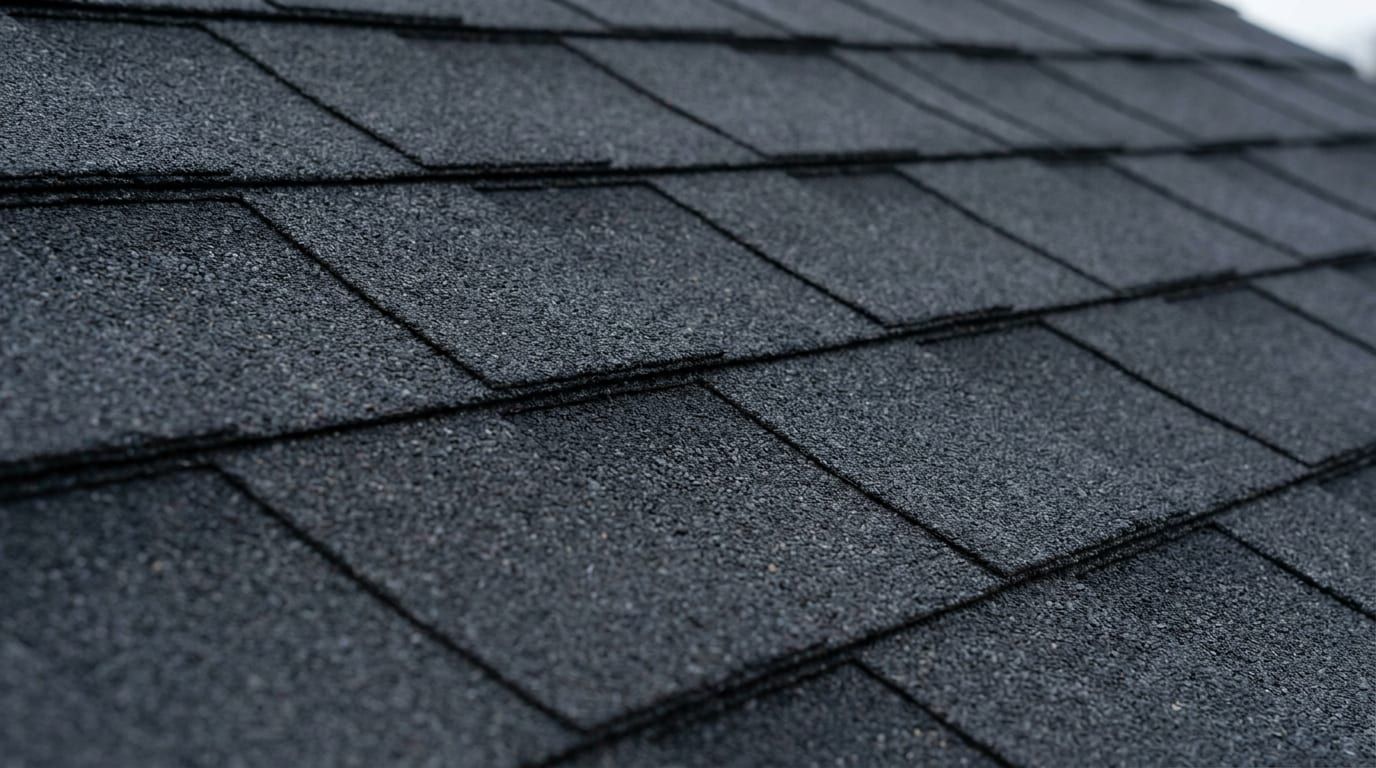
Roof replacement cost per square foot and per square
An asphalt shingle roof replacement costs about $4.25 to $9.25 per square foot of roof, or $425 to $925 per roofing square, including removal of one old layer. A square is 100 square feet of roof surface, the unit roofers use to price jobs and order shingles, so a 2,400 sq ft roof is 24 squares. To compare quotes fairly, divide each total by the number of squares it covers.
| Material | Installed, per sq ft | Per square | 2,000 sq ft roof, before tear-off | Lifespan |
|---|---|---|---|---|
| Asphalt 3-tab shingles | $3–$5 | $300–$500 | $6,000–$10,000 | 15–20 yrs |
| Architectural asphalt shingles | $4–$8 | $400–$800 | $8,000–$16,000 | 25–30 yrs |
| Metal (steel panels or standing seam) | $7–$18 | $700–$1,800 | $14,000–$36,000 | 40–70 yrs |
| Clay or concrete tile | $7–$25 | $700–$2,500 | $14,000–$50,000 | 50+ yrs |
| Flat or low-slope membrane (TPO, EPDM, PVC) | $4–$12 | $400–$1,200 | $8,000–$24,000 | 10–30 yrs |
| Cedar shake | $6–$15 | $600–$1,500 | $12,000–$30,000 | 25–30 yrs |
| Slate | $15–$30 | $1,500–$3,000 | $30,000–$60,000 | 75–100 yrs |
Installed prices cover material and labor, before the old roof comes off. Tearing off one layer of shingles adds about $1.25 per sq ft, or roughly $2,500 on a 2,000 sq ft roof. Low-slope roofs use membranes instead of shingles: see flat roof replacement cost by system, or commercial roof replacement cost for business buildings.
Roof replacement cost by home size
A one-story 2,000 sq ft house has about 2,360 sq ft of roof and costs roughly $10,000 to $21,800 to reroof with asphalt shingles, including tear-off of one old layer. The same floor area on two stories sits under about half the roof, so it costs roughly $5,000 to $10,900. Your roof area depends on the footprint, not the living space.
| Home size | One-story roof | One-story cost | Two-story roof | Two-story cost |
|---|---|---|---|---|
| 1,200 sq ft | 1,416 sq ft | $6,000–$13,100 | 708 sq ft | $3,000–$6,500 |
| 1,500 sq ft | 1,770 sq ft | $7,500–$16,400 | 885 sq ft | $3,800–$8,200 |
| 2,000 sq ft | 2,360 sq ft | $10,000–$21,800 | 1,180 sq ft | $5,000–$10,900 |
| 2,500 sq ft | 2,950 sq ft | $12,500–$27,300 | 1,475 sq ft | $6,300–$13,600 |
| 3,000 sq ft | 3,540 sq ft | $15,000–$32,700 | 1,770 sq ft | $7,500–$16,400 |
Asphalt shingles from 3-tab to architectural, a medium 5:12 to 7:12 pitch with a small overhang allowance, one old layer removed, and a simple roof. A two-story footprint is taken as half the floor area. For your own numbers, use the roof cost calculator.
What raises the price
After size and material, pitch, tear-off, decking, permits, and roof complexity move the price most.
Pitch. A steeper roof has more surface over the same footprint (a 12:12 roof has about 41% more than a flat one) and needs extra safety equipment and slower labor. Steep roofs can add roughly $1,000 to $3,000 to a replacement.
Tear-off and layers. Removing old shingles typically costs $1 to $3 per square foot per layer, including disposal. Codes based on the International Residential Code do not allow a new layer over a roof that already has two or more, or over one that is water soaked, so those roofs must be stripped to the deck.
Decking replacement. Rotten or soft decking under the shingles only shows once the old roof is off. Replacing it adds about $2 to $8 per square foot of replaced area, so ask for the price per sheet in writing before work starts.
Permits. Most replacements need a permit, usually $100 to $500 and over $1,000 in some cities. Your roofer should pull it. The FTC flags a contractor who asks you to get the permit yourself as a warning sign.
Complexity. Valleys, dormers, chimneys, and skylights all need extra flashing and cutting. The calculator adds about 12% for a complex roof.
Location and timing. Labor rates vary by state and metro, and prices climb in peak season, when crews are booked out.
The 25% rule
The 25% rule is a Florida rule. Section 706.1.1 of the Florida Building Code, Existing Building, says that if more than 25% of a roof or roof section is repaired, replaced, or recovered within 12 months, the whole roof or section must be brought up to the current code, which in practice means re-roofing it. Since 2022, Florida Statutes section 553.844(5) exempts roofs built, repaired, or replaced to the 2007 Florida Building Code or later: on those, only the repaired part has to meet the current code. It is not a national code rule. Outside Florida, ask your local building department how much of a roof can be repaired before the rest must be replaced.
The most expensive parts of a roof replacement
Labor is the most expensive part of replacing a roof, at about 40% to 65% of the total in published 2026 cost surveys. Here is where the money goes on a typical asphalt job:
- Labor: installation plus tear-off, higher on steep or complex roofs.
- Roofing materials: shingles or panels, underlayment, flashing, vents, and ridge caps.
- Decking repairs: zero on a sound deck, thousands on a rotten one.
- Disposal and permits: dumpster and landfill fees, plus the permit.
How to pay less without cutting corners
The surest saving is comparing at least three written, itemized quotes for the same scope; the FTC also advises against paying the full amount up front. If the damage is limited, a roof repair or roof restoration can buy years for a fraction of the price. Storm damage may be covered through an insurance claim. If the number is still out of reach, compare roof financing options and roof replacement assistance programs, and learn how to spot a bad roofer before you sign anything.
Get an instant estimate
Ballpark your own roof in seconds with the free roof cost calculator, then get a free roof estimate from local roofers who measure the real thing.
How we estimate these costs
The full formula, including what these numbers are not, is on the cost methodology page. In short, the figures are an editorial summary of published 2026 industry ranges and typical contractor pricing, not a census of quotes. Recent national averages for a roof replacement run from about $9,500 to $10,800, and published totals for asphalt-shingle roofs run from about $5,800 to $20,000, which is where our $5,800 to $19,800 typical range comes from. Per-square-foot prices are installed material and labor; we add $1.25 per sq ft per old layer for tear-off (published tear-off prices run $1 to $3) and round results to the nearest $100. Roof areas use pitch geometry. Code, tax, and price-trend answers rely on the Florida Statutes, the International Residential Code, IRS Publications 523 and 527, the FTC, and the Bureau of Labor Statistics. These are budgeting estimates, not quotes. Prices reviewed October 2026.
Roof replacement cost by state
These are editorial asphalt-shingle bands, from $5,800–$15,500 in Mississippi to $10,000–$28,000 in Hawaii. Alaska, California, and Florida are also among the highest in this table. A state links to its own cost guide only when that page cites a statute, code, or insurance regulator. Otherwise the range lives here, and licensing lives on the state roofers page when that page is maintained.
| State | Typical asphalt replacement | More detail |
|---|---|---|
| Alabama | $6,000–$16,500 | License table |
| Alaska | $9,500–$26,000 | License table |
| Arizona | $7,000–$19,000 | License and permits |
| Arkansas | $6,000–$16,000 | License table |
| California | $9,000–$25,000 | Cost guide · License and permits |
| Colorado | $8,000–$22,000 | Cost guide · License and permits |
| Connecticut | $8,500–$22,000 | License table |
| Delaware | $7,000–$18,500 | License table |
| Florida | $8,000–$24,000 | Cost guide · License and permits |
| Georgia | $6,500–$18,000 | Cost guide · License and permits |
| Hawaii | $10,000–$28,000 | License table |
| Idaho | $7,000–$19,000 | License table |
| Illinois | $7,000–$19,500 | License and permits |
| Indiana | $6,000–$16,500 | License table |
| Iowa | $6,500–$17,500 | License table |
| Kansas | $6,500–$17,500 | License table |
| Kentucky | $6,000–$16,500 | License table |
| Louisiana | $7,000–$20,000 | License table |
| Maine | $7,500–$19,500 | License table |
| Maryland | $7,500–$20,000 | License table |
| Massachusetts | $8,500–$23,000 | License and permits |
| Michigan | $6,500–$18,000 | License and permits |
| Minnesota | $7,000–$20,000 | License and permits |
| Mississippi | $5,800–$15,500 | License table |
| Missouri | $6,000–$16,500 | License table |
| Montana | $7,000–$18,500 | License table |
| Nebraska | $6,500–$17,500 | License table |
| Nevada | $7,000–$18,500 | License table |
| New Hampshire | $7,500–$19,500 | License table |
| New Jersey | $8,000–$21,500 | License table |
| New Mexico | $6,500–$17,000 | License table |
| New York | $8,000–$23,000 | Cost guide · License and permits |
| North Carolina | $6,500–$18,000 | Cost guide · License and permits |
| North Dakota | $6,500–$17,500 | License table |
| Ohio | $6,000–$16,500 | License and permits |
| Oklahoma | $6,000–$17,000 | License and permits |
| Oregon | $7,500–$20,000 | License and permits |
| Pennsylvania | $6,500–$18,500 | Cost guide · License and permits |
| Rhode Island | $8,000–$21,000 | License table |
| South Carolina | $6,000–$17,000 | License table |
| South Dakota | $6,500–$17,000 | License table |
| Tennessee | $6,000–$16,500 | License table |
| Texas | $6,500–$19,000 | Cost guide · License and permits |
| Utah | $7,000–$18,500 | License and permits |
| Vermont | $7,500–$19,500 | License table |
| Virginia | $7,000–$18,500 | License and permits |
| Washington | $8,000–$21,000 | License and permits |
| Washington, D.C. | $8,000–$21,500 | License table |
| West Virginia | $6,000–$16,000 | License table |
| Wisconsin | $6,800–$18,500 | License table |
| Wyoming | $6,800–$18,000 | License table |
Roof replacement cost: FAQs
How much does it cost to replace a roof in 2026?
The average roof replacement costs about $9,500 in 2026, and most homeowners pay $5,800 to $19,800 for an asphalt-shingle roof, roughly $4.25 to $9.25 per square foot of roof with the old layer removed. Metal, tile, and slate cost more up front and can push a large roof past $30,000. Size, pitch, tear-off, and local labor rates set your exact price.
How much does it cost to replace a roof on a 1,200 sq ft house?
A one-story 1,200 sq ft house has about 1,400 sq ft of roof at a medium pitch, so an asphalt shingle replacement runs roughly $6,000 to $13,100 with one old layer removed. If you mean 1,200 sq ft of roof (12 squares), expect about $5,100 to $11,100. A two-story 1,200 sq ft home has a much smaller roof, around $3,000 to $6,500.
How much does it cost to replace a roof on a 2,000 sq ft house?
Expect roughly $10,000 to $21,800 for a one-story 2,000 sq ft house with asphalt shingles and one old layer removed, because it has about 2,360 sq ft of roof. On two stories the same floor area sits under about half as much roof, so the price drops to roughly $5,000 to $10,900. Steep pitch, extra layers, or rotten decking push it higher.
What is the most expensive part of replacing a roof?
Labor. Installation and tear-off make up about 40% to 65% of the total in published 2026 cost surveys, ahead of shingles and other materials. The biggest surprise cost is usually decking: if the old roof hides rotten sheathing, replacing it adds about $2 to $8 per square foot of replaced area.
What is the 25% rule for roofing?
It is a Florida rule. Under the Florida Building Code, if more than 25% of a roof or roof section is repaired, replaced, or recovered within 12 months, the whole roof or section must be brought up to the current code, which usually means re-roofing it. Since 2022, Florida law exempts roofs built to the 2007 Florida Building Code or later, so only the repaired part must comply. Outside Florida, check with your local building department.
Is $30,000 too much for a roof?
$30,000 is high for a standard asphalt roof but reasonable for a large home, a steep or complex roof, or premium materials like metal, tile, or slate. Get at least three itemized quotes for the same scope, and ask the high bidder to explain the difference line by line.
What can I do if I can’t afford a new roof?
Start with the cheapest fix that works: a roof repair or restoration if the roof is otherwise sound. Then look at roof financing and payment plans. Very-low-income homeowners in rural areas may qualify for USDA Section 504 repair loans of up to $40,000 at 1% interest, or grants of up to $10,000 at age 62 and older. Our roof replacement assistance guide covers grants and local programs.
How do I spot a bad roofing company?
Be wary of a roofer who knocks after a storm saying they are in the area, pushes you to sign the same day, wants full payment up front or cash only, or asks you to pull the permit yourself. The FTC lists each of these as signs of a home improvement scam. Confirm the license with your state or county, ask for proof of insurance, and see our guide to spotting a bad roofer.
Is roof replacement tax deductible?
Not on your own home. The IRS treats a new roof as an improvement: you can’t deduct it the year you pay, but it adds to your home’s cost basis, which can lower your taxable gain when you sell (IRS Publication 523). On a rental property you depreciate it over time instead (Publication 527). The federal energy-efficiency credit does not cover roofing. Check with a tax professional for your situation.
Will roofing prices go up in 2026?
Material costs are trending up. Producer prices for asphalt shingle and coating materials were about 4.7% higher in August 2026 than a year earlier and about 8% above January 2026, based on preliminary Bureau of Labor Statistics data. No one can promise where prices go next, so when you get a fair quote, ask how long the price is held.
Does homeowners insurance cover roof replacement?
Insurance typically covers roof replacement when damage is sudden and accidental, such as from a storm, hail, or a fallen tree, but not normal age and wear. Document storm damage promptly and review your deductible. Our guide to whether insurance covers roof replacement walks through the claim.
What is the cheapest time of year to replace a roof?
Late winter is often cheapest because demand drops, though cold weather can delay work. Fall is the best balance of price and weather in most of the country, and summer is peak season. See the best time of year to replace a roof.
See what your roof will really cost
Compare free quotes from local roofers for the same scope, side by side.