Roof replacement cost in Florida (2026)
A roof replacement in Florida costs about $8,000 to $24,000 in 2026, or about $11,900 on average, for a typical home with asphalt shingles.
Prices reviewed October 2026 · Cost methodology · State factor
- Typical Florida range$8,000–$24,000
- Florida average (est.)$11,900
- Asphalt per sq ft, with tear-off$5.50–$11.50
- Vs. U.S. average25% higher
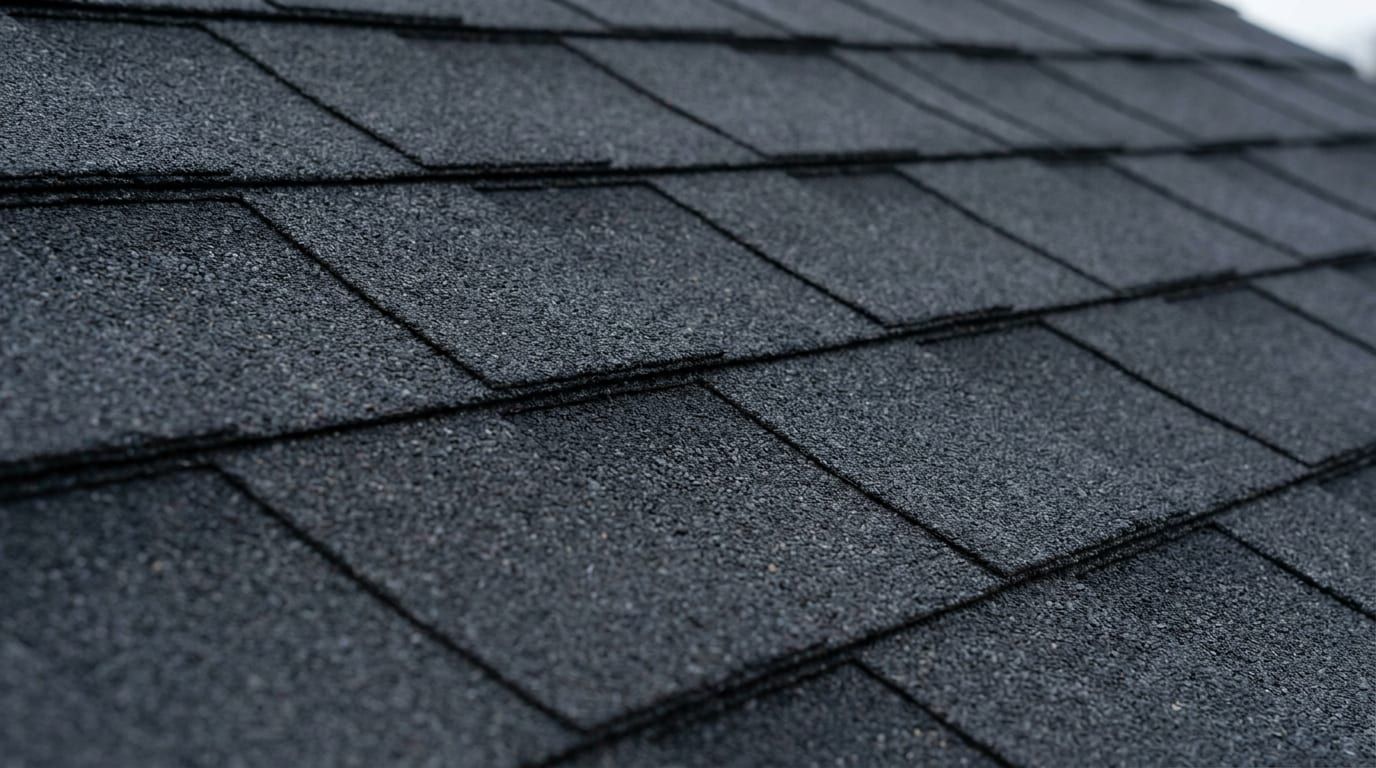
Florida roof prices run about 25% above the national average, which makes Florida the 4th most expensive of the 50 states and D.C. for a typical replacement in our data.
Roof replacement cost in Florida by material
Asphalt shingles are the most affordable roof in Florida, at an estimated $3.75 to $10.00 per square foot installed, while metal, tile, and slate cost more up front but last longer.
| Material | Installed, per sq ft of roof | 2,000 sq ft of roof, installed | Lifespan |
|---|---|---|---|
| Asphalt 3-tab shingles | $3.75–$6.25 | $7,500–$12,500 | 15–20 yrs |
| Architectural asphalt shingles | $5.00–$10.00 | $10,000–$20,000 | 25–30 yrs |
| Metal (steel panels or standing seam) | $8.75–$22.50 | $17,500–$45,000 | 40–70 yrs |
| Clay or concrete tile | $8.75–$31.25 | $17,500–$62,500 | 50+ yrs |
| Cedar shake | $7.50–$18.75 | $15,000–$37,500 | 25–30 yrs |
| Slate | $18.75–$37.50 | $37,500–$75,000 | 75–100 yrs |
Florida estimates before tear-off. Removing one old layer adds about $3,100 on 2,000 sq ft of roof.
Cost by roof size in Florida
Replacing 2,000 sq ft of roof in Florida costs roughly $10,600–$23,100 with asphalt shingles, including tear-off of one old layer, or $17,500–$45,000 with metal. Sizes below are roof area, the surface roofers measure, not your home’s floor area.
| Roof area | Roofing squares | Asphalt, incl. tear-off | Metal, installed |
|---|---|---|---|
| 1,200 sq ft of roof | 12 | $6,400–$13,900 | $10,500–$27,000 |
| 1,500 sq ft of roof | 15 | $8,000–$17,300 | $13,100–$33,800 |
| 2,000 sq ft of roof | 20 | $10,600–$23,100 | $17,500–$45,000 |
| 2,500 sq ft of roof | 25 | $13,300–$28,900 | $21,900–$56,300 |
From home size to roof size. At a medium 5:12 to 7:12 pitch, a one-story home’s roof is about 18% larger than its floor area, so a 2,000 sq ft one-story home in Florida has about 2,360 sq ft of roof and costs roughly $12,500–$27,300 to reroof with asphalt. The same floor area on two stories sits under about half the roof (1,180 sq ft), so it costs roughly $6,300–$13,600.
Asphalt runs from 3-tab to architectural on a simple roof; metal is before tear-off. A roofing square is 100 sq ft.
Roof replacement cost in Florida cities
City prices in Florida range from $8,000 to $24,000 for a typical asphalt-shingle replacement, with local labor rates and housing stock making the difference.
| City | Typical cost | Local roofers |
|---|---|---|
| Jacksonville | $8,000–$22,000 | Permit note on the Florida roofers page |
| Miami | $8,500–$24,000 | Permit note on the Florida roofers page |
| Tampa | $8,000–$22,000 | Permit note on the Florida roofers page |
| Orlando | $8,000–$22,000 | Permit note on the Florida roofers page |
How Florida compares with neighboring states
Florida is the most expensive of the states in this table for a typical roof replacement.
| State | Typical range | Average (est.) |
|---|---|---|
| Florida | $8,000–$24,000 | $11,900 |
| Georgia | $6,500–$18,000 | $9,100 |
| Alabama | $6,000–$16,500 | $8,300 |
| U.S. typical | $5,800–$19,800 | $9,500 |
What drives roof costs in Florida
Labor rates, roof size and pitch, and the need to build for hurricanes and intense sun drive roof prices in Florida.
Climate. Hot, humid, and hurricane-exposed.
Main hazard. Hurricanes, wind uplift, and intense UV. This sets how often roofs need replacing and which materials hold up best.
Permits. Florida law (s. 553.79, Florida Statutes) requires a permit before a roof is replaced, and Miami-Dade and Broward counties follow the stricter High-Velocity Hurricane Zone (HVHZ) roofing rules.
Licensing. Florida requires roofers to hold a state roofing contractor license, certified or registered, from the Construction Industry Licensing Board. Check a roofer’s license before you sign: DBPR license search.
Best roofing materials for Florida’s weather
For hurricanes and intense sun, Florida homeowners most often choose tile, metal, and asphalt shingles.
Hurricane winds can strip shingles and let rain in through the roof deck. Choose shingles or metal panels rated for your area’s design wind speed and have them installed to the manufacturer’s high-wind instructions. The IBHS FORTIFIED Roof standard goes further, with a sealed roof deck, ring-shank nails, and stronger edges, and the designation requires an inspection.
Strong sun and heat age asphalt shingles faster. Tile, metal, and reflective cool roof products rated by the Cool Roof Rating Council reflect more sunlight and help keep the attic cooler.
Compare material prices in our guides to asphalt shingle roof cost, metal roof cost, and tile roof cost, or read metal roof vs shingles.
Florida insurance and building code notes
Miami-Dade and Broward counties make up the High-Velocity Hurricane Zone, where roofing follows Sections 1512 to 1525 of the Florida Building Code and every roofing component needs a current product approval.
Florida’s 25% rule (Florida Building Code, Existing Building, Section 706.1.1) requires the whole roof or roof section to meet the current code when more than 25% of it is repaired, replaced, or recovered within 12 months. Since 2022, s. 553.844(5), Florida Statutes, exempts roofs built, repaired, or replaced to the 2007 Florida Building Code or later: only the repaired part has to meet the current code.
Florida insurers may not refuse to write or renew a homeowners policy solely because the roof is less than 15 years old. For a roof 15 years or older, they must let you have it inspected by an authorized inspector before requiring a replacement, and they may not refuse coverage solely because of age if the inspection shows at least 5 years of useful life left (s. 627.7011).
Insurers’ rates must include discounts for wind-mitigation features such as roof strength, roof covering performance, and roof-to-wall connections (s. 627.0629). A wind mitigation inspection on the state form (OIR-B1-1802) documents them and stays valid for up to five years. A contractor who knowingly waives or rebates your deductible commits a third-degree felony (s. 489.147).
Sources: Fla. Stat. 553.79; Fla. Stat. 553.844; Florida Building Commission on FBC-EB 706.1.1; Fla. Stat. 627.7011; Fla. Stat. 627.0629; Florida OIR: wind mitigation; Fla. Stat. 489.147.
Best time of year to replace a roof in Florida
The best time to replace a roof in Florida is winter or spring, before hurricane season.
The Atlantic season runs June 1 to November 30 and peaks from mid-August to mid-October, according to the National Hurricane Center, and roofers’ schedules fill fast after a storm.
More on timing in the best time of year to replace a roof.
Paying for a new roof in Florida
If $11,900 is a stretch, see whether a roof repair will do, then compare roof financing options and roof replacement assistance programs. Get a ballpark first with the roof cost calculator, then compare roofers in Florida and ask each for an itemized quote for the same scope.
How we estimate these costs
These Florida figures scale the national model on our cost methodology page. We do not have a survey of Florida invoices. Florida’s cost factor is 1.25: the midpoint of the typical Florida range divided by the national midpoint of $12,800. That factor is applied to the $9,500 national average. Results are rounded to the nearest $100. City ranges are separate editorial estimates, not permit medians. Code and insurance notes cite the state sources listed above. These are budgeting estimates, not quotes. Prices reviewed October 2026.
Florida roof replacement cost: FAQs
How much does a new roof cost in Florida?
A new asphalt-shingle roof in Florida typically costs $8,000 to $24,000, about $11,900 on average in 2026, or roughly $5.50–$11.50 per square foot of roof including tear-off. A one-story 2,000 sq ft home, with about 2,360 sq ft of roof, runs about $12,500–$27,300. Metal, tile, and slate cost more. Try the roof cost calculator for your own numbers.
Do you need a permit to replace a roof in Florida?
Florida law (s. 553.79, Florida Statutes) requires a permit before a roof is replaced, and Miami-Dade and Broward counties follow the stricter High-Velocity Hurricane Zone (HVHZ) roofing rules. Your roofer should pull the permit as part of the job, and your city or county building department can confirm the local rules.
Will insurance cover an old roof in Florida?
Homeowners insurance pays for sudden damage, such as hail, wind, or a fallen tree, minus your deductible. It doesn’t pay to replace a roof that has simply worn out, and some policies pay only actual cash value on an older roof, which deducts depreciation. Florida law bars insurers from refusing to write or renew a policy solely because a roof is under 15 years old. For an older roof, an inspection showing at least 5 years of remaining life means age alone can’t be the reason for a refusal (s. 627.7011, Florida Statutes). Our guide to whether insurance covers roof replacement explains how claims work.
When is the best time of year to replace a roof in Florida?
The best time to replace a roof in Florida is winter or spring, before hurricane season. The Atlantic season runs June 1 to November 30 and peaks from mid-August to mid-October, according to the National Hurricane Center, and roofers’ schedules fill fast after a storm.
What is the 25% roof rule in Florida?
Under Section 706.1.1 of the Florida Building Code, Existing Building, if more than 25% of a roof or roof section is repaired, replaced, or recovered within 12 months, the whole roof or section must be replaced to meet the current code. Since 2022, Florida law (s. 553.844(5)) exempts roofs built, repaired, or replaced to the 2007 Florida Building Code or later, so on those only the repaired part has to meet the current code. Ask your roofer which code edition your roof was built to.
Compare roofers in Florida
Get free quotes from local Florida roofers for the same scope, side by side.