How to Tell If a Roofer Is Lying: 12 Red Flags
Updated October 3, 2026 · Editorial policy
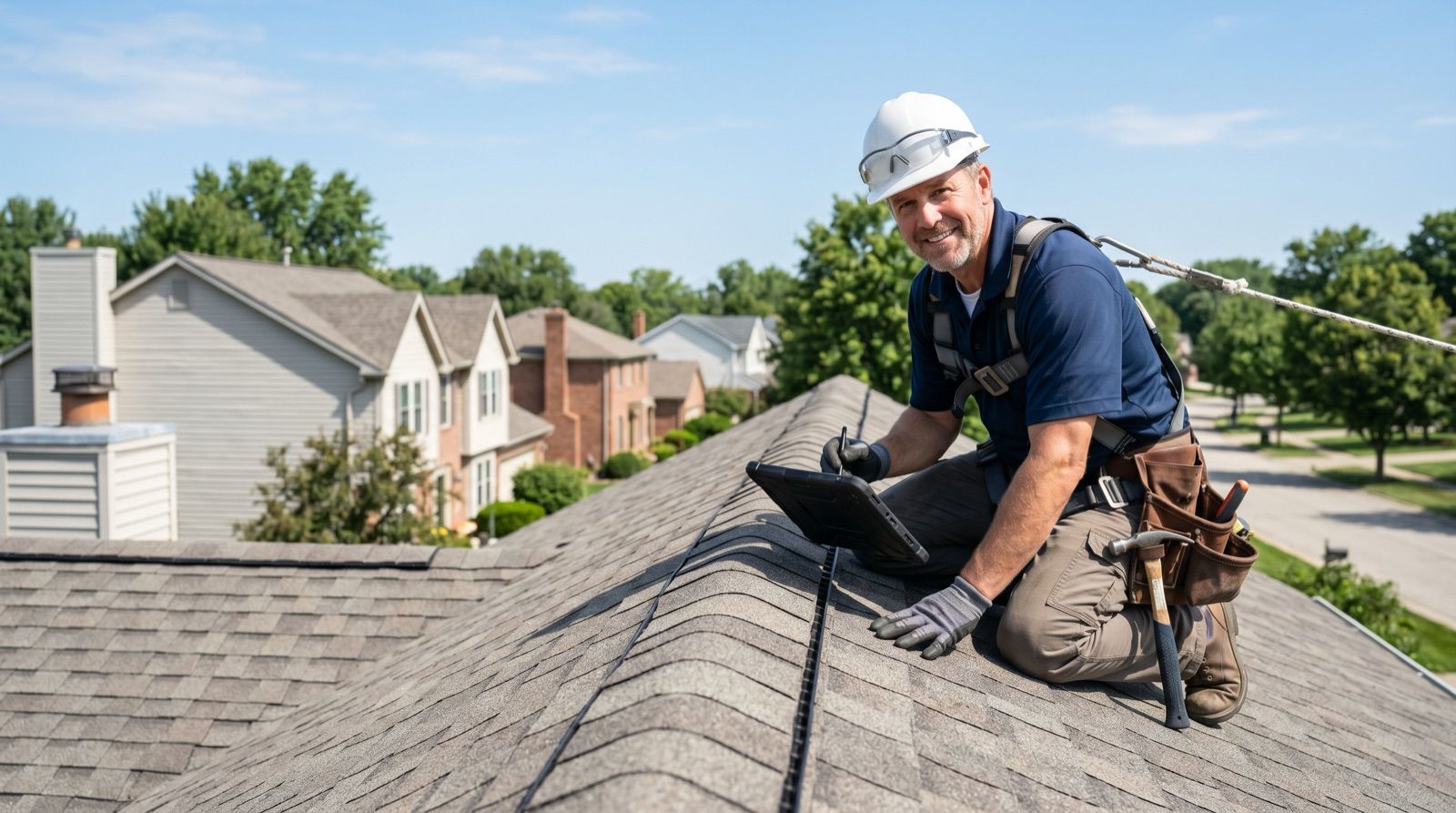
You can usually tell a roofer is lying by what they push you to do, not what they say about your roof. Honest roofers give you time, put everything in writing, show proof of a license and insurance, and let your insurer handle your claim. Bad ones knock after a storm, want cash up front, promise a “free roof,” offer to cover your deductible, or ask you to sign over your insurance check. Here are the 12 red flags to watch for, and how to check a roofer out before you sign anything.
The 12 red flags of a bad roofing company
1. They showed up at your door after a storm
Door-knocking right after hail or high wind is the classic storm-chaser move. The Federal Trade Commission lists contractors who knock on your door because they’re “in the area” as a top sign of a home improvement scam. Some door-knockers are local and legitimate, but many are out-of-town crews that will be gone before your warranty matters. Treat any unsolicited offer as a lead to check, not a deal to sign.
2. They pressure you to sign today
“This price is only good today” or “we only have one crew slot left” are pressure tactics. A real estimate holds for days or weeks. If you sign at your home, federal law gives you until midnight of the third business day to cancel most sales of $25 or more (the FTC’s Cooling-Off Rule), and your contract should include that right in writing.
3. They want a big deposit or cash only
The FTC advises never paying the full amount up front and never paying in cash, by wire transfer, gift card, payment app or cryptocurrency. Many states cap how much a contractor can collect before work starts, so ask your state consumer agency what the limit is. A reasonable deposit covers ordered materials. A demand for most of the money before a single shingle comes off is a warning.
4. They can’t show a license, or say they don’t need one
Licensing rules vary by state and sometimes by city or county. “You don’t need a license for this” is a line the FTC specifically flags after disasters. Ask for the license number and look it up yourself on the licensing board’s site. Don’t rely on a photo of a card.
5. They have no proof of insurance
A roofer should carry general liability insurance and, if they have employees, workers’ compensation. Without it, an injury or a damaged house can land on you. Ask for a certificate of insurance and call the insurance agent listed on it to confirm the policy is active.
6. There’s no written, itemized estimate
A single number on a business card tells you nothing. If they won’t break the job into materials, tear-off, underlayment, flashing, ventilation, permits and cleanup, you can’t compare them to anyone else, and you can’t hold them to anything later.
7. They offer to waive or “cover” your deductible
Your deductible is your share of an insurance claim. A roofer who offers to absorb it is either padding the bill to your insurer or cutting corners on your roof. It’s also illegal in several states, including Texas (Business and Commerce Code 27.02), Colorado (C.R.S. 6-22-105), Minnesota (Statute 325E.66) and Florida (Statute 489.147).
8. They ask you to sign over your insurance check
The FTC is blunt about this: never sign your insurance check over to a contractor. Be equally careful with any “assignment of benefits” form that hands your claim rights to the roofer. Florida banned these assignments for residential property policies issued on or after January 1, 2023.
9. They promise a “free roof”
A roof is only “free” if your insurer pays for storm damage and you still pay your deductible, or if you qualify for a real assistance program. Anyone promising a free roof before an adjuster has even looked at it is guessing, or planning to inflate the claim. If you need help paying, see our guide to real roof replacement assistance programs.
10. They say they’ll negotiate your claim for you
Roofers can document damage and meet your adjuster, but in many states they can’t act as your adjuster. In Texas, for example, a contractor working on the property is barred from acting as a public adjuster or advertising to handle claims. If a roofer says “just sign here and we’ll deal with the insurance company,” find out exactly what you’re signing.
11. They want you to pull the permit, or say no permit is needed
Most re-roofs need a permit, and the permit triggers an inspection that protects you. The FTC flags contractors who “ask you to get any required building permits” as a scam warning. The roofer should pull the permit in their own name.
12. The warranty is vague or only verbal
There are two warranties on a roof: the manufacturer’s warranty on materials and the roofer’s workmanship warranty on the installation. If they can’t tell you the length and terms of both in writing, assume you don’t have one.
How to check whether a roofer is telling the truth about damage
If a roofer says your whole roof is ruined after a five-minute look, ask for dated photos of your roof with something recognizable in the frame, like your chimney or a vent. Then get a second inspection from a roofer who didn’t knock on your door. A roof inspection from an independent company costs far less than an unnecessary roof. If you’re filing a claim, be there when the adjuster visits.
How to verify a roofer before you sign
- Check the license. Pick your state in our roofers near me directory for local notes, for example Texas or Florida, then look up the license number on your state or local licensing board’s website. Some states license roofers statewide and others leave it to cities or counties.
- Confirm insurance. Get a certificate of insurance and call the agent to confirm it’s current and covers roofing work.
- Check manufacturer certifications. If a roofer claims a certification from a shingle maker such as GAF, Owens Corning or CertainTeed, look them up in that manufacturer’s contractor locator on its website.
- Check the address and history. You want a real local address, a business phone and a track record in your area. Read recent reviews and see how they respond to complaints.
- Get at least three written quotes for the same scope so the outliers stand out. Our guide to choosing a roofer walks through how to compare them line by line.
Questions to ask before you hire
- What’s your license number, and who issued it?
- Can your insurance agent send me a certificate of insurance?
- Will you pull the permit, and will the city inspect the job?
- Will you tear off the old roof or go over it?
- What happens, and what does it cost, if you find rotten decking?
- Who will be on my roof: your crew or a subcontractor?
- What’s your workmanship warranty, and is it in writing?
- What’s the payment schedule, and when is the final payment due?
What a roofing estimate should include
- Your name, address and the roofer’s name, address, phone and license number
- Roof size in squares (100 square feet each) and the number of layers coming off
- The brand, product line and color of shingles or panels
- Underlayment, ice and water shield, drip edge, flashing and ventilation
- A per-sheet or per-square price for any decking replacement
- Permit, dumpster, cleanup and nail sweep
- Start and finish dates, payment schedule and both warranties
- A written notice of your right to cancel
If the numbers look high or low, compare them with typical roof replacement costs.
Should I give a roofer the insurance check before work starts?
No. Pay as work is done, not before. If your insurer pays in more than one check, the first is often for the depreciated value, with the rest released after the work is finished. Keep control of that money. The FTC suggests arranging a certificate of completion through your bank so funds are released only after you approve the finished job. If your mortgage lender is named on the check, it may also hold the money and release it in stages.
Do roofers expect a tip?
No. Roofing is a contracted job with an agreed price, and tipping isn’t expected. If a crew does great work, cold water on a hot day, lunch or a strong online review are welcome thanks. Never let a “tip” become part of the price negotiation.
What to do if you think you’ve been scammed
Stop paying, keep every document and photo, and report it to your state attorney general and at ReportFraud.ftc.gov. If it involves an insurance claim, tell your insurer. In Texas you can report roofing and insurance violations to the attorney general at 800-621-0508.
The safest way through this is to check the license yourself and compare written quotes. Start with who licenses roofers in your state and request quotes only after you know what you will verify.