Roof Insurance Claims: What Not to Say to an Adjuster
Updated October 3, 2026 · Editorial policy
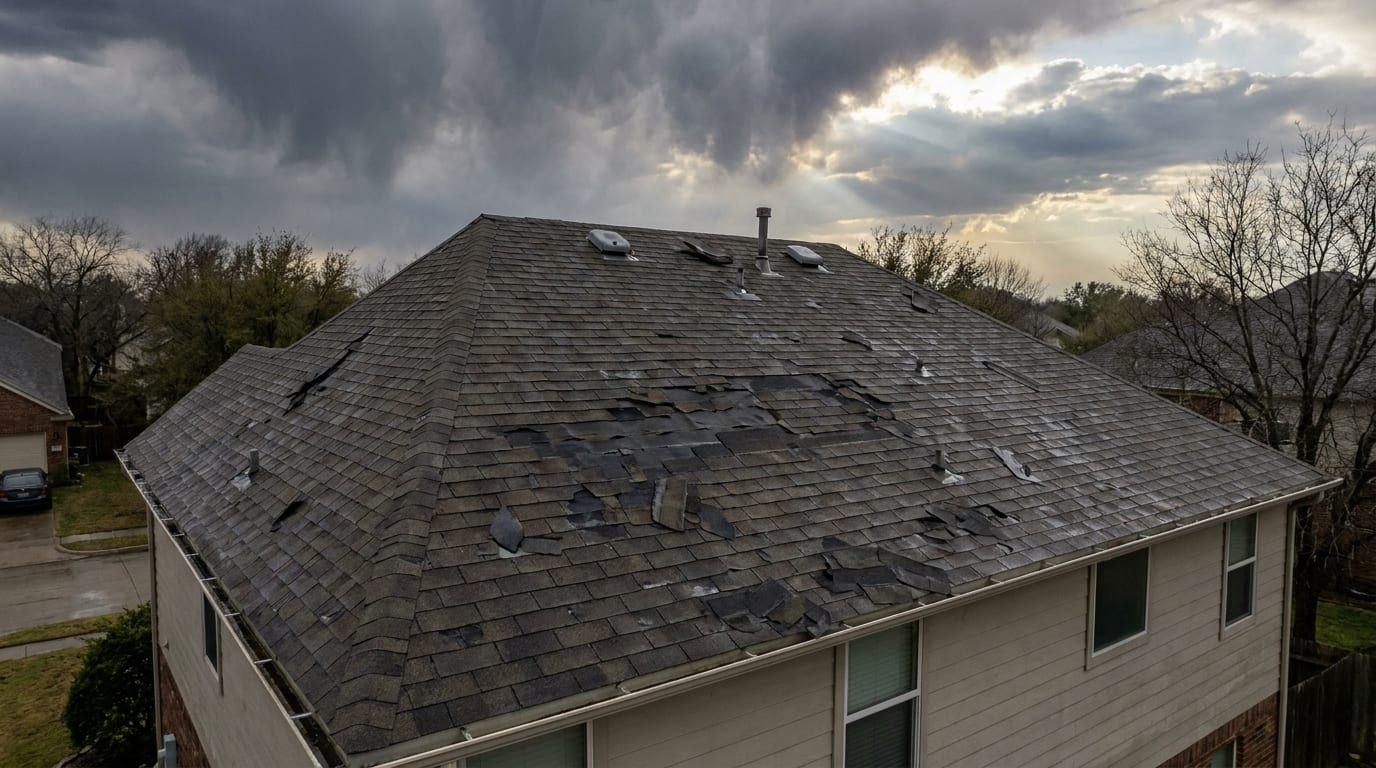
After a storm, a roof insurance claim can be the difference between a fully covered new roof and thousands out of pocket. But how you handle the adjuster’s visit matters. Here’s what to say, what not to say, and how to document everything.
First: is your damage claimable?
Homeowners insurance generally covers sudden, accidental damage, from hail, wind, or a fallen tree, but not gradual age and wear. The key is showing the damage came from a specific covered event, which is why documentation matters so much.
What not to say to a roof insurance adjuster
The adjuster works for the insurance company. You don’t need to be adversarial, but avoid these mistakes:
- Don’t guess at your roof’s age. Saying “it’s probably 20 years old” can get your claim reduced for wear and tear. Stick to facts you know.
- Don’t call the damage “old” or “pre-existing.” Even casually. It hands the insurer a reason to deny.
- Don’t admit you delayed maintenance. Insurers can deny claims for “neglect.”
- Don’t accept the first estimate as final. If it seems low, you can get your own licensed roofer’s estimate and dispute it.
- Don’t exaggerate. Overstating damage can be treated as fraud and sink the whole claim.
What to do instead
- Document immediately. Photograph the damage and note the date of the storm. Save any weather reports.
- Get a professional inspection first. Have a licensed roofer inspect your roof and document hail or wind damage before the adjuster arrives, much of it isn’t visible from the ground.
- Be present for the adjuster’s visit. Better yet, have your roofer there to point out damage the adjuster might miss.
- File promptly. Most policies have a time limit (often one year), and waiting lets damage worsen, which can lead to denial.
- Review the scope, not just the total. Make sure the estimate covers everything, underlayment, flashing, disposal, and code upgrades.
The 25% rule and your claim
The “25% rule” is a Florida building code rule, not a national standard. Under the Florida Building Code (Existing Building, section 706.1.1), if more than 25% of a roof or roof section is repaired or replaced within 12 months, the whole roof or section must be redone to current code. A 2022 state law, Florida Statute 553.844(5), exempts roofs that were built to the 2007 Florida Building Code or later. Outside Florida, ask your local building department what applies where you live.
If a code requirement means more of the roof has to be replaced than the storm damaged, ask your insurer how your policy handles code-required work. Either way, a thorough inspection that documents every damaged area is what makes the case for a fair settlement.
Should you even file?
Weigh the repair cost against your deductible. For minor damage, paying out of pocket may be cheaper than a claim that could affect your premium. For major storm damage, a claim is usually worth it.
Get a roofer who knows the claims process
A contractor experienced with storm damage and insurance can document your claim properly and make sure nothing’s left off the estimate. Avoid anyone who offers to waive your deductible or handle the claim for you; see how to spot a bad roofer. Get matched with independent local roofers for a free inspection and quote. No obligation.